7 Houseplants That Are Almost Impossible to Kill (A Beginner's Guide)
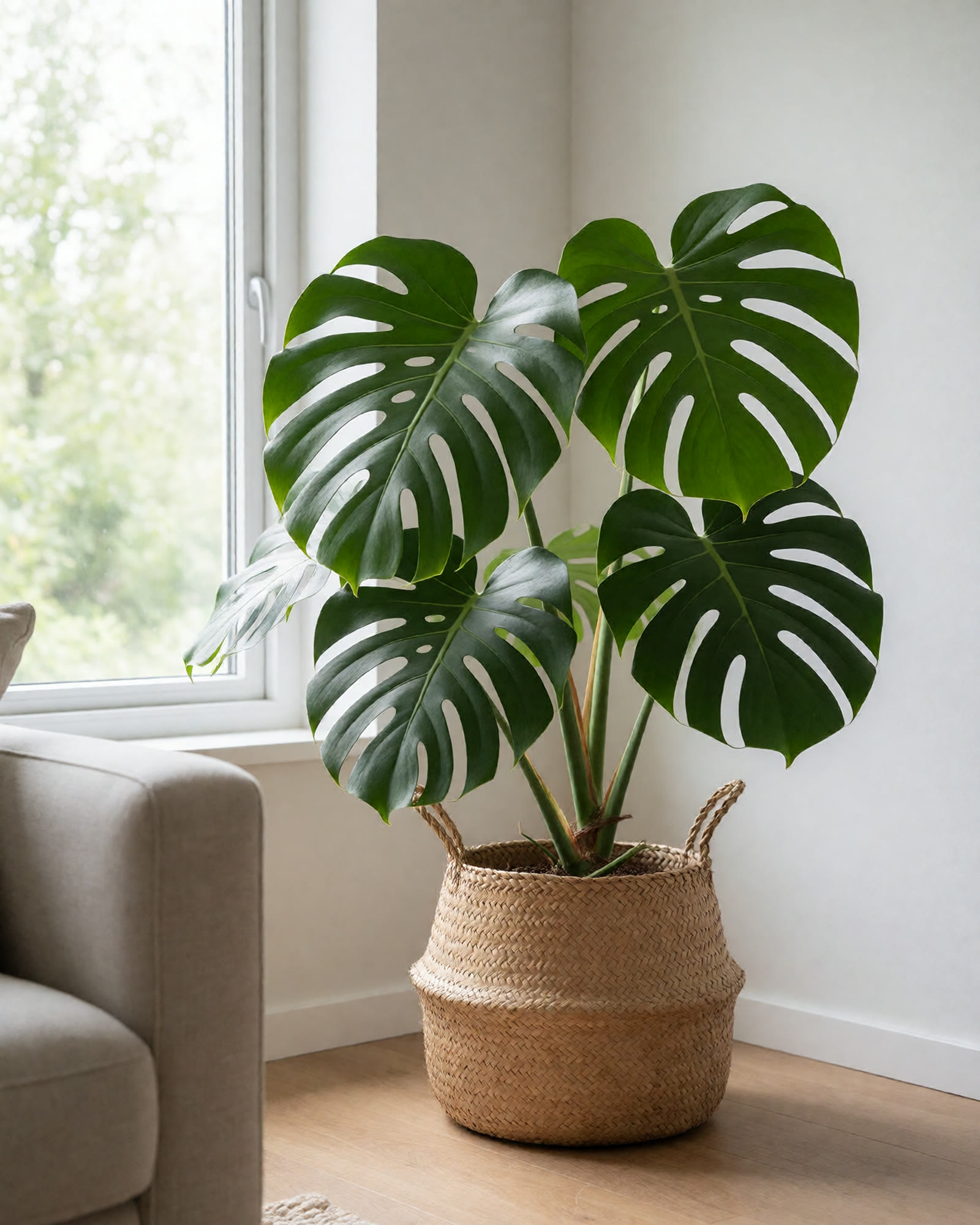
If you've ever bought a beautiful plant, loved it, and watched it slowly give up, you're in very good company. Most houseplants don't die from neglect. They die from too much love, usually in the form of water.
The good news is that some plants are wonderfully forgiving. They handle dim corners, missed waterings and the occasional overenthusiastic watering can. These are the seven I'd suggest to anyone starting out.
First, the three habits that matter most
Water less than you think. Before you water, push a finger about two inches into the soil. If it still feels damp, wait. Overwatering is the number one way beginners lose plants, because soggy soil suffocates the roots.
Always use a pot with a drainage hole. Water needs somewhere to go. If you love a decorative pot without a hole, keep the plant in a plain plastic nursery pot and set it inside.
Match the plant to the light you actually have. "Low light tolerant" means a plant will survive in a dim spot, not that it will thrive in a windowless hallway. Most plants are happiest a few feet from a bright window, out of harsh direct afternoon sun.
1. Pothos
If I could only recommend one plant, this would be it. Pothos grows long trailing vines with heart-shaped leaves, copes with low to bright indirect light and tells you when it's thirsty by drooping slightly, then perks right back up after a drink. It's also the easiest plant to propagate: snip a piece below a node, pop it in water and you've got a new plant for free.
2. Snake plant
Tall, architectural and nearly indestructible. Snake plants store water in their thick leaves, so they're happy to go two or three weeks between waterings, and even longer in winter. They tolerate low light but grow faster in brighter spots. The only real way to kill one is to keep the soil wet.
3. ZZ plant
The ZZ plant has glossy, almost waxy leaves that look polished even when you've ignored it for a month. It grows from thick underground rhizomes that hold water, which makes it ideal for offices, dim corners and anyone who travels. Water it when the soil is completely dry.
4. Spider plant
A cheerful classic with arching striped leaves and little "babies" that dangle from long stems. Spider plants like bright, indirect light and evenly moist (not soggy) soil. Brown leaf tips are common and mostly cosmetic, often caused by minerals in tap water; letting water sit out overnight or using filtered water can help.
5. Peace lily
Peace lilies are dramatic in the most helpful way: when they need water, the whole plant visibly flops. Water it, and within a few hours it stands back up. They do well in medium to low light and are one of the few easy plants that reliably flower indoors, with elegant white blooms.
6. Monstera
If you want one big statement plant, a monstera is surprisingly easygoing. Give it bright, indirect light and water when the top few inches of soil are dry, and it rewards you with huge split leaves. Wipe the leaves with a damp cloth now and then so they can soak up the light.
7. Chinese evergreen
Chinese evergreens (Aglaonema) come in beautiful patterned leaves, from silvery greens to soft pinks, and handle lower light better than most colorful plants. They prefer warmth, so keep them away from cold drafts and air-conditioning vents in summer.
A quick note if you have pets
Several of these plants are toxic to cats and dogs if chewed, including pothos, snake plant, ZZ plant, peace lily, monstera and Chinese evergreen, according to the ASPCA. If you have curious pets, place them up high or start with a spider plant, which the ASPCA lists as non-toxic to cats and dogs.
Start with one
You don't need a jungle. Start with a single pothos or snake plant in a spot you walk past every day, so you notice how it's doing. Once you've kept one happy for a couple of months, you'll have the confidence to add another.
Happy growing,
Kenna